Talking Builds Readers: Why Oral Language Matters for Reading and Writing
When we think about helping children learn to read…
We often picture books, letters and learning their sounds. But some of the most important foundations for reading and writing begin developing long before a child reads their first word.
They’re developing when your child tells you a very long story about their day. When you explain what you’re doing while making dinner. When you sing rhyming songs in the car, introduce a new word or listen as your child figures out how to express an idea.
All of these everyday moments are building oral language — the speech and language skills children use to understand others and communicate their own thoughts. And those skills play an important role in learning to read and write.
Reading is about more than recognizing words
Learning to read is a complex process. One helpful way to understand it is through Scarborough’s Reading Rope, which imagines skilled reading as many smaller strands woven together to create a strong rope.
Children need to learn how words work :
- recognizing sounds
- connecting those sounds to letters, and
- eventually reading written words
But they also need to understand language:
- vocabulary
- sentence structure
- background knowledge
- storytelling
- the ability to make connections, and
- understanding meaning
In other words, children need to be able to read the words AND understand what those words mean.
That’s why talking, listening and playing with language matter so much — even before formal reading instruction begins.
Speech sounds matter, too
Before children can connect letters with sounds, they first begin noticing that spoken words are made up of smaller sounds.
This is called phonological awareness.
It starts with simple things like noticing rhyming words, clapping the syllables in a word or realizing that Mom and milk begin with the same sound.
Later, children learn to hear the individual sounds within words; an important skill for both reading and spelling.
For example, to spell cat, a child eventually needs to hear three separate sounds — /k/ /a/ /t/ — and understand which letters represent them.
Playing with sounds, rhymes and words helps build this foundation naturally.
Talking today supports reading tomorrow
Imagine a child reading:
The enormous elephant wandered through the jungle.
Being able to sound out those words is important. But does the child know what enormous means? Do they understand how wandered is different from ran? Can they picture what is happening or explain the sentence in their own words?
This is where oral language becomes so important.
Everyday conversations help children develop:
- vocabulary
- sentence structure
- background knowledge, and
- the ability to organize and explain their ideas.
Those same skills will eventually help them understand what they read and express themselves through writing.
And the wonderful part is that these skills can develop through ordinary family life.
Five simple ways to build language at home
You don’t need worksheets, flashcards or another item on your already-busy to-do list. Some of the best language learning happens naturally while spending time together.
Talk together.
Give your child time to tell you their stories — even the very long ones! Rather than asking question after question, add comments and ideas that keep the conversation going.
Introduce interesting words.
If your child says, “That’s a big truck,” you might respond, “It is enormous! That’s an enormous dump truck.” Hearing new words used naturally helps build vocabulary.
Read — and talk — together.
Wonder what might happen next. Talk about unfamiliar words. Ask why a character might have done something or how your child thinks they are feeling.
Tell and retell stories.
Talk about your trip to the park, baking cookies together or something funny that happened that morning. Learning to organize ideas into a beginning, middle and end supports both comprehension and writing.
Play with sounds.
Enjoy rhymes, clap out syllables, think of words beginning with the same sound or simply be silly with language.
You don’t have to do all of these things every day. Chances are, you’re already supporting your child’s literacy development in many of the conversations and activities you share together.
What if you have concerns?
Children develop at different rates, but sometimes parents notice that communication seems harder for their child than for others of a similar age.
Perhaps your child is difficult for others to understand, has trouble finding or remembering words, putting sentences together, following directions or telling you about something that happened. As children approach school age, they may also struggle with rhyming, identifying sounds in words or learning letter-sound connections.
You don’t have to wait until your child is struggling with reading or writing to ask questions.
A Speech-Language Pathologist (SLP) can help you better understand your child’s speech and language development and determine whether some additional support may be helpful.
Want to learn more?
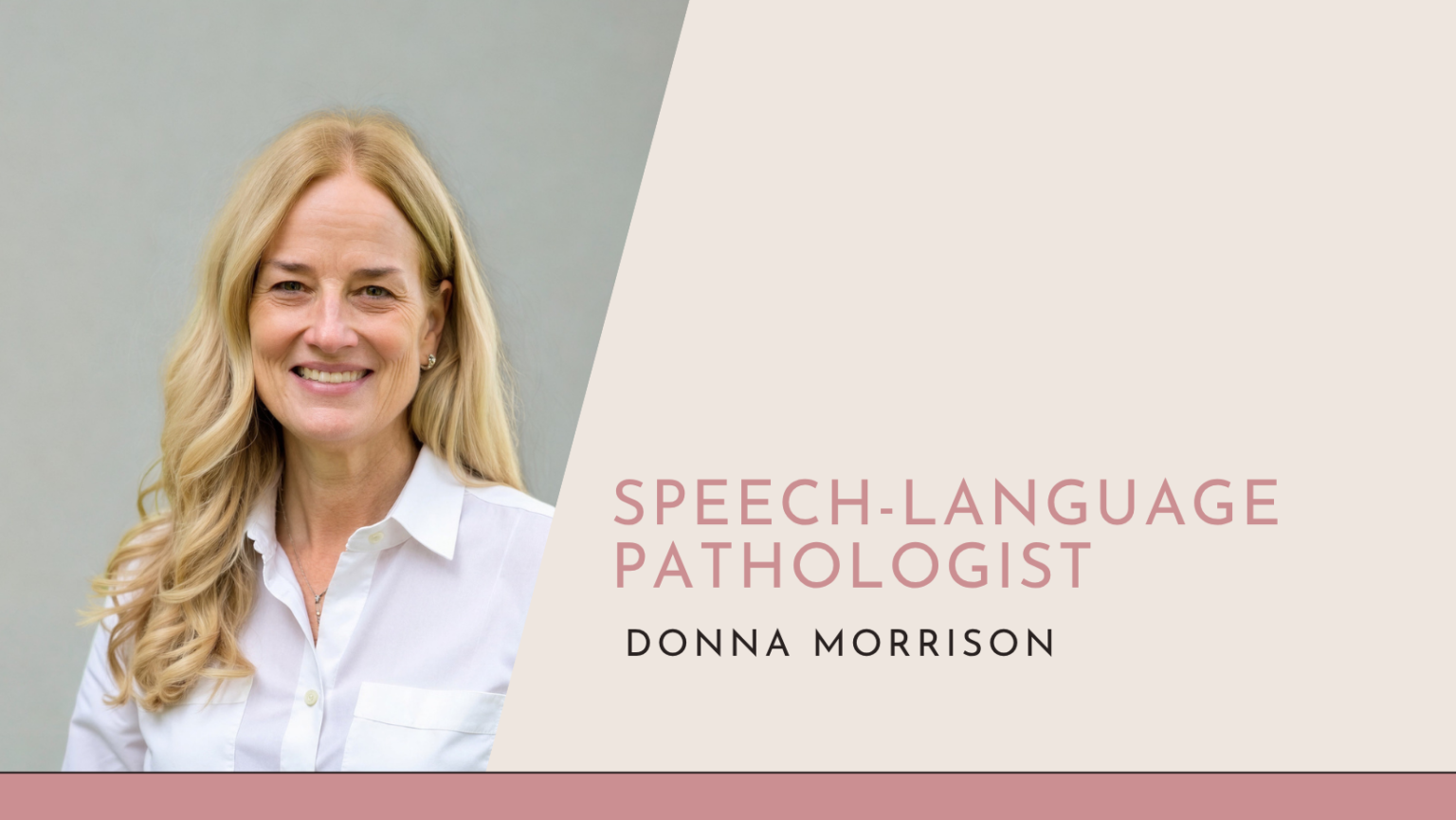
This October, join Donna, Speech-Language Pathologist at The WOMB Bruce County, for:
Talk, Read, Grow: Building the Skills for Literacy
Designed for parents and caregivers of children ages 3 to 7, this practical workshop will explore the connection between speech, language, reading and writing.
You’ll learn what skills are developing during these important early years, simple ways to support them at home, and signs that may indicate your child could benefit from additional speech or language support.
Come with your questions and leave with practical ideas you can use during books, play, conversations and everyday family routines.
Talk. Read. Grow. Because the road to literacy starts long before children begin reading on their own.
Register below for Donna’s very informative workshop:
Wednesday October 7th from 6:30-8pm