
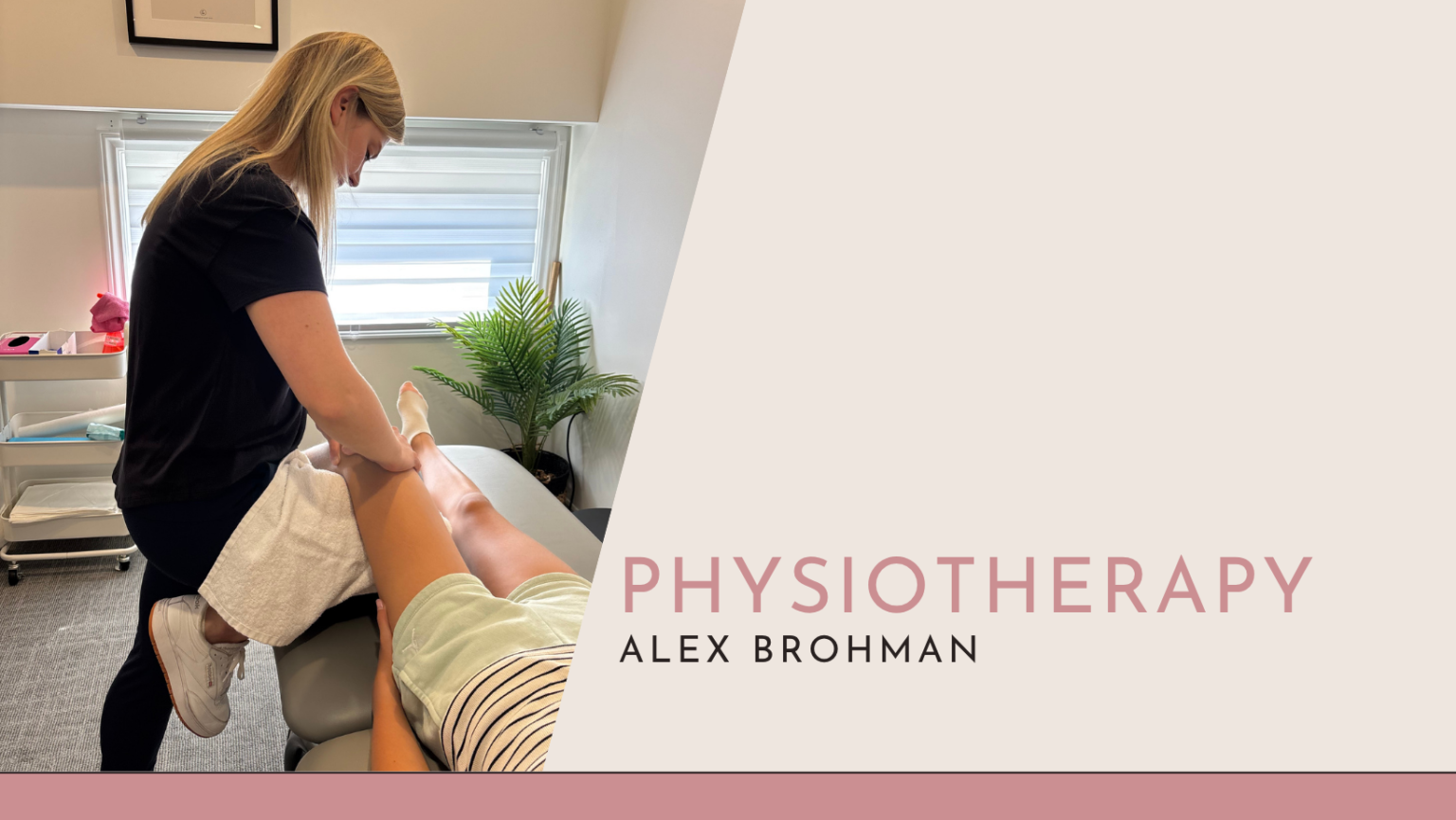
Moving Through Menopause: From Surviving to Thriving
For generations, menopause was something women quietly endured…
It was whispered about behind closed doors, often surrounded by confusion, embarrassment, or the belief that it was simply something you had to “get through.”
Thankfully, that conversation is changing.
At The WOMB, we believe menopause deserves the same openness, education, and support as every other stage of a woman’s life. After all, if we’re fortunate enough to live long lives, every woman will experience menopause. It’s not a disease to be treated—it’s a natural transition that deserves understanding, compassion, and evidence-based care.
And while it can certainly come with challenges, it can also become a season of rediscovery and renewal.
Menopause Does Not Begin Overnight
Many women are surprised to learn that menopause doesn’t actually begin when their periods stop.
The transition often starts five to ten years before your final menstrual period during a stage called perimenopause. During this time, the ovaries gradually produce fewer eggs, causing estrogen and progesterone levels to fluctuate. These hormonal shifts can create a wide variety of symptoms long before menopause officially begins.
Your menstrual cycle may become heavier or lighter, shorter or longer. But changes in your period aren’t always the first clue.
You may also notice:
- Hot flashes and night sweats
- Sleep disturbances
- Mood changes or increased anxiety
- Brain fog or memory challenges
- Vaginal or vulvar discomfort
- Changes in sexual health
- Bladder leakage or pelvic floor concerns
- Muscle and joint aches
- Changes to your skin and hair
Some women experience only a few mild symptoms, while others find the transition much more disruptive. And for many, some symptoms become even more noticeable in the years following menopause.
The important thing to remember is this:
You’re not imagining it, and you’re certainly not alone.
You Don’t Have to “Just Live With It”
One of the biggest myths surrounding menopause is that these changes are simply something women have to accept.
The truth is, there are many evidence-based ways to improve symptoms and support your overall health.
This is where building the right healthcare team becomes so important.
A pelvic physiotherapist, family physician, chiropractor, massage therapist, osteopath, naturopath, mental health professional, and other practitioners can each offer unique pieces of the puzzle. Together, they help you understand what’s happening in your body and empower you to make informed decisions about your care.
At The WOMB, we love seeing women surrounded by a team that listens, educates, and supports them; not just through menopause, but through every stage of life.
Small Changes Can Make a Big Difference
While there is no one-size-fits-all approach, research continues to show that lifestyle choices can have a powerful impact on how you feel.
Prioritizing quality sleep, nourishing your body with balanced nutrition, managing stress, and staying physically active can all help improve symptoms and support long-term health.
One of the most exciting areas of research is strength (resistance) training.
Far from being just about building muscle, regular resistance exercise has been shown to:
- Support bone health
- Preserve muscle mass
- Improve balance and function
- Reduce weight gain
- Improve mood and energy
- Support pelvic floor health
- Help you maintain independence as you age
Movement truly becomes medicine during midlife.
Knowledge is Power
Perhaps the most powerful tool during menopause is understanding what’s happening in your body.
When you know what’s normal, what isn’t, and what options are available, you can make decisions with confidence instead of fear.
Menopause isn’t the end of vitality, it can be the beginning of a new chapter; one where you feel stronger, more informed, and more connected to your health than ever before.
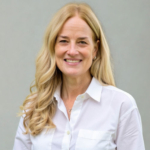
Curious about where to start? That’s exactly why our Physiotherapist, Alex Brohman created a workshop. Rather than sorting through endless online advice, you will leave with evidence-based information, practical strategies and the confidence to move forward knowing you’re supporting your body in the ways that matter most!
Join Alex’s ‘Moving Through Menopause” Workshop
If you’re curious about what’s happening in your body—or you’re already experiencing the changes that come with perimenopause or menopause—Alex’s upcoming workshop is the perfect opportunity to better understand this important stage of life.
As a pelvic and orthopedic physiotherapist, Alex will guide you through the science behind menopause and, more importantly, what you can do to support your body through the transition. During this informative workshop, you’ll learn:
- What’s happening physiologically during perimenopause and menopause
- How hormonal changes affect the musculoskeletal system, including the pelvic floor
- Common conditions that can develop during this stage of life
- How exercise can help manage symptoms, support these conditions, and even prevent future issues
- The types of exercise that are most beneficial during midlife and beyond
Whether you’re just beginning to notice changes or you’ve been navigating menopause for years, you’ll leave with a better understanding of your body, practical tools you can start using right away, and the confidence to embrace this next chapter with strength.
Because at The WOMB, we believe menopause isn’t something to fear.
It’s a season to embrace—with the right information, the right movement, and the right people beside you.
You don’t have to simply survive this transition. Together, let’s help you thrive.
Yours in Health,
Alex Brohman, Physiotherapist
Let’s get social!
@alexbrohmanpt
 The Womb Bruce County