
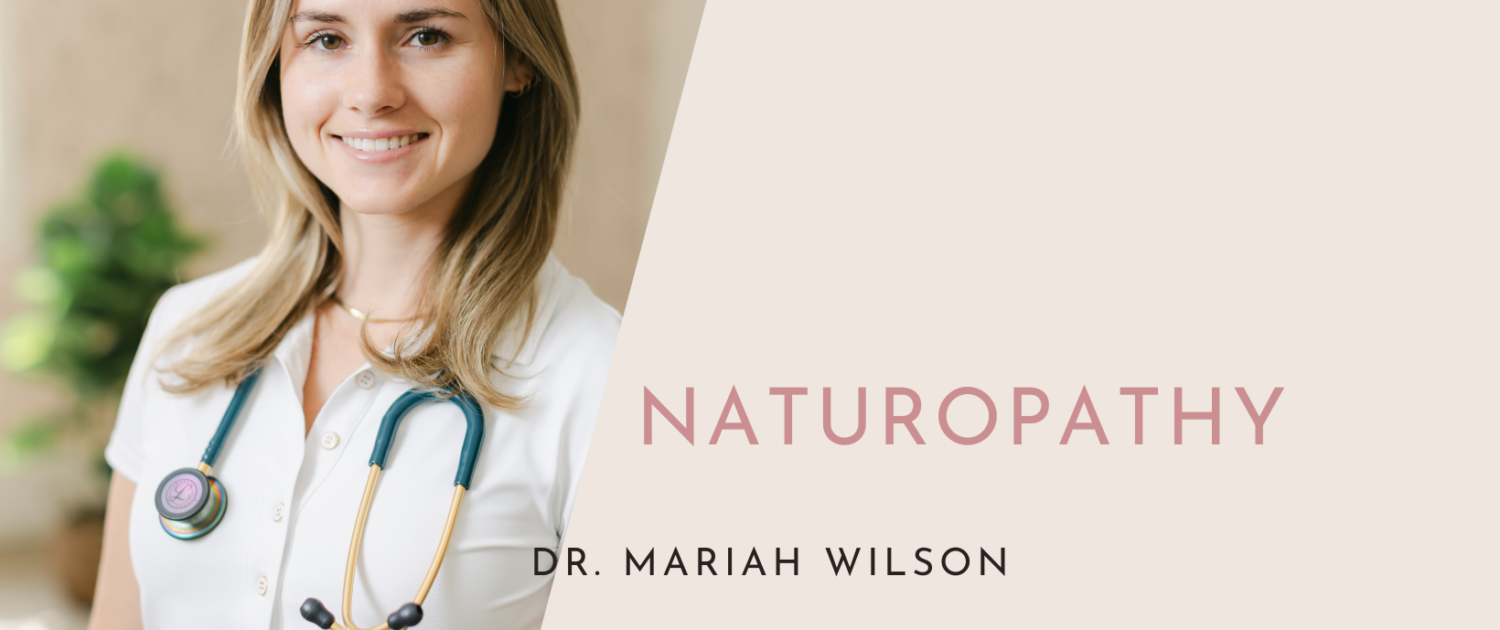
The Most Common Conditions I See in Practice (And How I Support Them)
Most women are told their symptoms are “normal.” Yet they often feel anything but normal.
Painful periods.
Exhaustion.
Feeling disconnected from their bodies.
In my practice, I see how common these concerns truly are. And more importantly, how much support can help.
My work focuses on women’s health across the lifespan.
From teenage menstrual concerns to fertility support, and into perimenopause and menopause – And every stage in between.
The most common concerns I see include:
- Fertility support
- PCOS (polycystic ovary syndrome)
- Painful or heavy menstrual periods
- Thyroid conditions, including hypothyroidism and Hashimoto’s thyroiditis
- Fatigue, low energy, and brain fog
- Gut health concerns such as constipation, diarrhea, and acid reflux
- Perimenopause and menopause support
While these concerns may appear unrelated, they are often connected beneath the surface.
- Hormone imbalances
- Low or depleted nutrient stores (such as low iron, vitamin D etc.)
- Blood sugar imbalances
- Ongoing stress
- Impaired gut function
Addressing these foundations is often what leads to lasting improvement, rather than chasing individual symptoms.
How I Support Patients
A major part of my practice involves in-depth bloodwork and clinical investigations. Not just running labs, but taking the time to explain them clearly.
Testing helps us move from guessing to understanding. It allows us to identify patterns early. And it shows us where support is truly needed.
For example:
IRON
- Low iron levels can make periods heavier and more painful.
- Iron supports oxygen delivery and tissue health.
- Low levels often worsen cramping and fatigue.
VITAMIN D
- Vitamin D deficiencies can negatively impact fertility and egg health.
- Vitamin D acts more like a hormone than a vitamin.
- It influences ovulation, implantation, and immune balance.
CHOLESTEROL
- Cholesterol is the backbone of hormone production.
- Estrogen, progesterone, and cortisol are all built from cholesterol.
- Too little can be just as disruptive as too much.
These are details many people are never told.
Education Is a Core Part of Naturopathic Medicine
I believe knowledge is empowering. Understanding your body changes how you care for it.
My role is not just to recommend supplements or lifestyle changes. It is to help you understand why they matter. And how they fit into your unique physiology.
This support helps women advocate for their health with confidence.